
Professional Deep Cleaning Restored the Beauty of This Light-Colored Berber Carpet


Light-colored Berber carpet can make a room feel bright and inviting, but it also makes accumulated dirt and discoloration difficult to ignore. Over time, everyday foot traffic, dust, and oily residue can leave the carpet looking dull, uneven, and considerably older than it actually is.
Unlike traditional cut-pile carpeting, Berber-style carpet typically features tightly constructed loops that create a durable, textured surface. While this construction offers practical benefits, dirt can settle between the loops, making thorough cleaning more challenging than many homeowners expect.
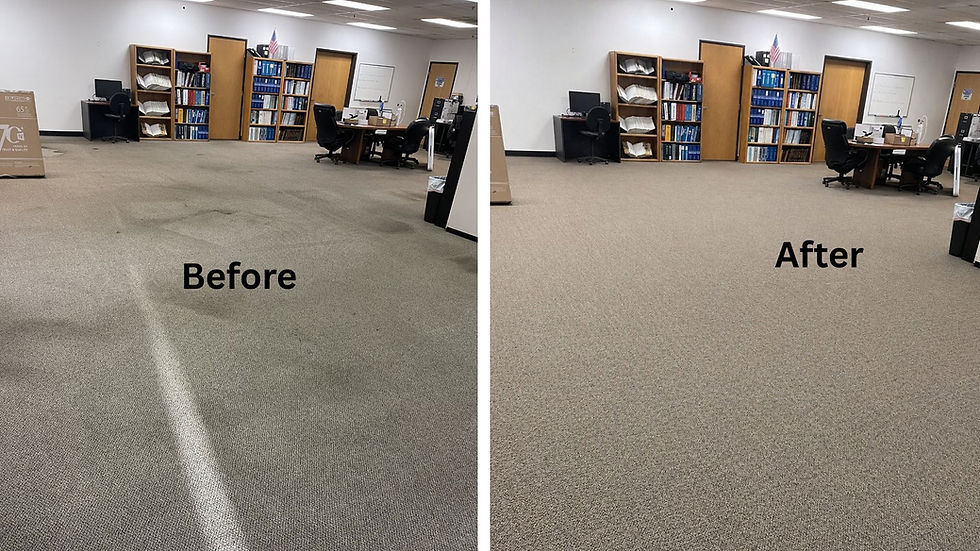
In this recent project, Westside Carpet Pros professionally cleaned a heavily soiled, light-colored Berber carpet that had developed widespread discoloration. The before-and-after photos show a noticeable improvement, with the finished carpet appearing cleaner, brighter, and more consistent throughout the room.
The results highlight an important distinction between carpeting that is permanently worn and carpeting that simply contains substantial amounts of removable soil. Understanding that difference can help homeowners avoid replacing flooring that may still have years of useful life remaining.
Can Professional Cleaning Restore Heavily Soiled Berber Carpet?
Yes, professional cleaning can often restore much of the original appearance of heavily soiled Berber carpet when the discoloration comes from removable dirt, oils, and other accumulated contaminants. The results depend on the carpet's fiber type, construction, condition, and whether permanent staining or physical wear is present.
Our recent Westside Carpet Pros project demonstrates the improvement professional cleaning can provide. Before treatment, the light-colored carpet showed widespread darkening and uneven discoloration. After cleaning, the surface appeared substantially cleaner, with a more uniform appearance across the room.
This transformation is particularly noticeable on light-colored carpeting because dark soil contrasts strongly with the original fibers. Removing accumulated contamination can reveal a much fresher appearance without changing the carpet itself.
Why Berber Carpet Requires Special Attention
Berber is commonly used to describe loop-pile carpet construction, although the term can also refer to certain flecked carpet styles. These carpets may be manufactured from nylon, polypropylene, wool, or other fibers, each with different cleaning requirements.
The looped surface can hold fine particles between yarns, especially in areas that receive regular foot traffic. Proper cleaning requires removing this contamination while protecting the loops and avoiding unnecessary moisture or mechanical stress.
What Professional Cleaning Can Improve
Professional cleaning can remove embedded soil, oily residue, and many common household contaminants. It may also improve dark traffic patterns when their appearance is primarily caused by accumulated dirt rather than permanent fiber damage.
However, cleaning cannot reverse severe abrasion, missing fibers, permanent dye changes, or damaged backing. Identifying these conditions before treatment helps establish realistic expectations.
Why Does Berber Carpet Trap Dirt and Develop Dark Traffic Areas?
Berber carpet's construction creates a distinctive appearance, but its textured surface can make embedded dirt less accessible to ordinary cleaning. Fine particles may settle between the loops, while repeated foot traffic pushes contamination deeper into the pile.
Several factors contribute to the darkened appearance commonly seen in heavily used areas.
Dirt Collects Between the Carpet Loops
Loop-pile carpet contains yarns that remain connected at the surface rather than being cut into individual upright tufts. Small particles can settle into the spaces between these loops and become difficult to remove without thorough vacuuming.
Over time, accumulated soil can change how light reflects from the carpet. This makes the surface appear darker, particularly when the original material is light beige, cream, or gray.
Foot Traffic Compacts Embedded Soil
Walking across carpet repeatedly applies pressure to the fibers and underlying material. When fine dirt is present, this movement can push particles deeper into the pile and contribute to gradual abrasion.
Frequently used pathways may develop darker areas than surrounding sections. Some of this discoloration may be removable soil, while some may reflect permanent changes in the fibers.
Oily Residue Attracts Additional Contamination
Natural skin oils, tracked-in substances, and household residue can attach to carpet fibers. Once present, these materials may attract additional dust and soil, creating darker patches that ordinary vacuuming cannot fully remove.
Fiber type influences how the carpet responds to oily contamination. Polypropylene, for example, has a particular affinity for oils, which can make oily soil challenging to remove without appropriate cleaning chemistry.
Light Colors Make Soil More Noticeable
A light-colored carpet provides a strong visual contrast against dark dirt and traffic-related contamination. Even moderate soil accumulation may be more noticeable than it would be on darker flooring.
This does not necessarily mean the carpet is permanently damaged. A professional inspection can help distinguish removable soil from wear before replacement is considered.
What's the Difference Between Dirty Berber Carpet, Permanent Stains, and Fiber Wear?
Dark or discolored Berber carpet does not always indicate the same problem. Soil accumulation, permanent staining, and physical wear can produce similar visual effects but require different expectations and treatments.
Understanding these distinctions is essential when evaluating whether professional cleaning can restore the carpet.
Embedded Dirt and Soil Buildup
Embedded soil consists of dust, grit, oils, and other contaminants that accumulate within the carpet. Much of this material can often be removed through suitable professional cleaning methods.
When discoloration is primarily caused by removable soil, cleaning can produce a substantial improvement. The finished appearance depends on how much contamination is present and how effectively it can be recovered.
Permanent Carpet Staining
Permanent staining occurs when a substance changes the carpet's color or becomes difficult to remove without damaging the fibers. Certain dyes, chemical reactions, and prolonged exposure to contaminants may produce lasting discoloration.
Professional stain treatments can sometimes improve these areas, but complete removal is not guaranteed. Fiber identification and testing help determine which products can be used safely.
Abrasion and Traffic Wear
Repeated friction from shoes, furniture, and embedded grit can gradually damage carpet fibers. As the surface wears, it may reflect light differently and appear darker or duller even after cleaning.
This type of damage cannot be reversed by removing soil. Cleaning may improve the surrounding carpet, but permanent traffic wear can remain visible.
Damaged or Pulled Loops
Berber carpet can develop snags when loops catch on furniture, sharp objects, or unsuitable vacuum equipment. Pulling on a snagged loop may worsen the damage or disturb additional yarn.
Professional carpet repair may be appropriate for certain localized problems. Cleaning alone cannot reconstruct missing or severely damaged loops.
How Does Professional Berber Carpet Cleaning Remove Embedded Soil?
Professional Berber carpet cleaning involves more than applying detergent and extracting water. The process should account for fiber type, loop construction, backing condition, and the nature of the accumulated soil.
The following steps describe a typical professional approach, although the exact equipment and products depend on the carpet being cleaned.
Step 1: Inspect the Carpet and Identify the Fibers
Before cleaning, the technician should evaluate the carpet's construction, condition, and heavily soiled areas. Fiber identification is particularly important because nylon, polypropylene, and wool have different tolerances for cleaning chemistry and moisture.
Existing stains, pulled loops, damaged seams, and signs of backing deterioration should also be documented. These conditions may require special precautions or separate repairs.
Step 2: Thoroughly Remove Dry Soil
Dry soil removal is one of the most important steps in cleaning heavily soiled carpet. Fine grit and dust can accumulate deep between the loops, where they may contribute to abrasion and discoloration.
A suitable vacuum helps remove loose particles before wet cleaning begins. Vacuum equipment should be selected carefully because aggressive rotating brushes can snag or damage certain loop-pile constructions.
Step 3: Apply Compatible Carpet Pretreatment
Professional pretreatment helps loosen attached soil, oils, and other contamination. The cleaning product should be selected according to the fiber type and the specific substances present.
Appropriate dwell time allows the solution to work before rinsing or extraction. Stronger chemicals are not automatically better, particularly on wool or other sensitive materials.
Step 4: Use Controlled Agitation When Appropriate
Some heavily soiled carpets benefit from gentle agitation to improve contact between the cleaning solution and embedded dirt. However, Berber's looped construction requires careful equipment selection.
Aggressive brushing may catch yarns, distort the pile, or damage weakened areas. The objective is to release soil without compromising the carpet's structure.
Step 5: Rinse and Extract the Contamination
Hot water extraction is commonly used for many residential carpets when the fiber and backing are suitable. The process rinses loosened contamination from the pile and recovers the dirty solution through professional extraction equipment.
Proper moisture control is particularly important with certain Berber constructions. Excessive wetting can contribute to prolonged drying, wicking, or backing-related problems.
Step 6: Inspect and Support Proper Drying
After cleaning, the technician evaluates remaining discoloration and determines whether additional localized treatment is appropriate. Some areas may require further attention, while permanent wear or staining may remain visible.
Adequate ventilation and airflow support efficient drying. The appropriate drying conditions depend on the carpet's construction, moisture recovery, and indoor environment.
Why Can Aggressive Scrubbing or Improper Cleaning Damage Berber Carpet?
Berber carpet is often selected for durability, but its looped construction can be vulnerable to certain cleaning mistakes. Excessive mechanical force, incompatible chemicals, and uncontrolled moisture can damage materials that might otherwise remain serviceable for years.
Understanding these risks helps homeowners avoid turning a cleaning problem into a carpet repair problem.
Rotating Brushes Can Catch Carpet Loops
Some vacuum cleaners and scrubbing machines use aggressive rotating brushes designed for cut-pile carpet. On certain loop-pile carpets, these brushes may catch exposed yarns and create snags.
A pulled loop can sometimes affect surrounding yarn, depending on the carpet's construction. Following the carpet manufacturer's vacuum recommendations helps reduce this risk.
Harsh Chemicals Can Affect Sensitive Fibers
Not all Berber carpets are made from the same material. A cleaning solution suitable for synthetic fibers may be inappropriate for wool or other sensitive constructions.
Excessive alkalinity, incompatible stain removers, or improper chemical mixing can cause discoloration or fiber damage. Professional cleaners should identify the material and use products appropriate for its characteristics.
Excessive Moisture Can Create Problems
Over-wetting can extend drying time and allow dissolved soil to move toward the carpet surface as moisture evaporates. This process, commonly called wicking, may cause spots or discoloration to reappear after cleaning.
Some backing systems are also sensitive to prolonged moisture exposure. Controlled application and effective extraction help reduce these risks.
Repeated Scrubbing Can Accelerate Wear
Aggressive hand scrubbing may distort loops or abrade the yarn surface, particularly in areas already weakened by traffic. The resulting texture changes can remain visible even after the carpet is clean.
Using appropriate cleaning chemistry and controlled agitation is generally preferable to applying excessive force. The goal is to remove contamination while preserving the carpet's remaining useful life.
How Can Homeowners Keep Berber Carpet Clean After Professional Cleaning?
Maintaining Berber carpet requires consistent dry soil removal, prompt spill treatment, and cleaning methods appropriate for the material. These habits help prevent dirt from becoming compacted between the loops and reduce unnecessary wear.
A practical maintenance routine can also help preserve the results of professional cleaning.
Vacuum Regularly With Suitable Equipment
Frequent vacuuming removes loose grit and dust before they settle deeper into the pile. High-traffic areas generally benefit from more frequent attention than rooms that receive occasional use.
Choose equipment appropriate for loop-pile carpeting and follow the manufacturer's recommendations. A suction-only setting or compatible brush system may be preferable when aggressive beater bars could snag the loops.
Address Spills Promptly
Blot liquid spills with a clean, absorbent towel rather than rubbing them into the carpet. Rubbing can spread contamination and place unnecessary stress on the yarn.
Use a cleaning product compatible with the carpet fiber, and avoid saturating the area. Persistent stains may require professional treatment to prevent additional damage.
Reduce Tracked-In Dirt
Entry mats help collect grit before it reaches the carpet. Removing shoes indoors can also reduce the amount of abrasive soil carried into living spaces.
These simple measures are particularly useful for light-colored Berber carpeting. Less embedded grit means less abrasion and a cleaner appearance between professional services.
Schedule Cleaning Based on Actual Conditions
Professional cleaning frequency depends on household activity, pets, foot traffic, and the carpet manufacturer's recommendations. Areas with heavy use may require more frequent attention than lightly occupied rooms.
Waiting until the carpet becomes visibly dark can allow soil to accumulate and contribute to additional wear. Regular maintenance helps address contamination before it becomes difficult to remove.
When Should Heavily Soiled Berber Carpet Be Professionally Cleaned Instead of Replaced?
Replacing carpet can involve significant material, removal, padding, and installation costs. When the existing Berber carpet remains structurally sound, professional cleaning is often worth considering before making that investment.
The decision should depend on the carpet's actual condition rather than discoloration alone.
Clean When Embedded Soil Is the Main Problem
Carpet that appears dark because of accumulated dirt and oily residue may respond well to professional cleaning. Removing this contamination can reveal a cleaner, more uniform surface without replacing the material.
Our recent Westside Carpet Pros project illustrates this possibility. The before-and-after photos show a substantial improvement in the appearance of heavily soiled, light-colored Berber carpet.
Consider Repair for Localized Damage
Individual snags, damaged seams, or small areas of physical damage may sometimes be repaired. The feasibility depends on the carpet construction, extent of damage, and availability of suitable materials.
A professional inspection helps determine whether localized repairs are practical. Cleaning and repair may be combined when the surrounding carpet remains in good condition.
Replace Carpet With Extensive Structural Damage
Widespread backing deterioration, severe fiber loss, extensive unraveling, or major installation problems may make replacement more appropriate. Professional cleaning cannot restore structural components that have failed.
Significant moisture damage and deteriorated padding should also be evaluated. These conditions may require corrective work beyond ordinary carpet cleaning.
Compare Expected Results With Replacement Costs
Professional cleaning is generally less expensive than replacing an entire room of carpet. When the material remains serviceable, restoring its appearance may extend its useful life and delay unnecessary replacement expenses.
However, cleaning should not be presented as a solution for every type of damage. A realistic assessment considers the carpet's condition, expected improvement, and remaining useful life.
Restore the Appearance of Your Berber Carpet With Westside Carpet Pros
Light-colored Berber carpet can develop widespread discoloration that makes an entire room look tired and poorly maintained. Yet dark traffic areas and embedded dirt do not always mean the carpet is permanently damaged.
Our recent Westside Carpet Pros project demonstrates the improvement professional deep cleaning can provide. The heavily soiled Berber carpet appeared noticeably cleaner and more consistent after treatment, helping restore the room's overall appearance.
The key is using cleaning methods appropriate for the carpet's construction and fiber type. Thorough dry soil removal, compatible cleaning products, controlled agitation, and effective extraction can improve appearance while protecting the looped surface.
At Westside Carpet Pros, we help homeowners evaluate and clean carpeting affected by everyday dirt, traffic patterns, and stubborn soil buildup. Our goal is to improve the condition of existing carpet where practical and provide realistic expectations about the results.
If your Berber carpet looks heavily soiled or permanently discolored, professional cleaning may be worth considering before replacement. An inspection can help determine whether the darkened areas are caused by removable contamination or lasting fiber damage.
Contact Westside Carpet Pros today for a free professional Berber carpet cleaning quote. Your existing carpet may have more life left in it than its current appearance suggests.


Comments